



The Greek name melissa means honeybee, and beekeepers once rubbed the leaves inside empty hives to coax a swarm to settle.
Origin & Traditional Use
Melissa officinalis is a lemon-scented mint-family perennial from southern Europe and the Mediterranean. Monastery and cottage gardeners grew it for bees, cordials and cups.
It was traditionally used in tea to lift the spirits and settle the nerves.
Uses by Tradition
Witchcraft & Folk Magick
- Love cup: steep lemon balm in wine and share it with someone you hope to draw closer.
- Success sachet: carry it with a bay leaf when going for work or a promotion.
- Lifting bath: add a strong infusion to bath water when grief or heaviness hangs on.
A Simple Working
- Light a pink chime candle.
- Steep a teaspoon of lemon balm and a few rose petals in a cup of hot water for five minutes.
- Strain and sweeten with a spoonful of honey.
- Stir sunwise while naming the love or friendship you want to sweeten.
- Drink half and pour the rest onto the earth outside.
- Let the candle burn down.
Pairs Well With
- Rose petals: the obvious partner for love work.
- Honey: sweetens any working toward another person.
- Bay leaf: for success petitions.
- Chamomile: for peace and calm.
- Pink chime candle: for affection and friendship.
Lore & History
Classical and later European writers recorded that bees love the plant above others, which is how it came to be grown beside hives.
From the seventeenth century Carmelite nuns in Paris distilled a famous lemon balm cordial, Carmelite water, sold as a toilet water and tonic for generations.
What You Receive
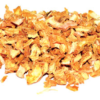
Cut dried lemon balm leaf, available in 1 oz and 1 lb.
Did You Know?
Lemon balm’s scent comes from citral and citronellal, the same aromatic compounds found in lemongrass and citronella.
| Weight | N/A |
|---|---|
| Size | 1 oz, 1 lb |
Related products


