



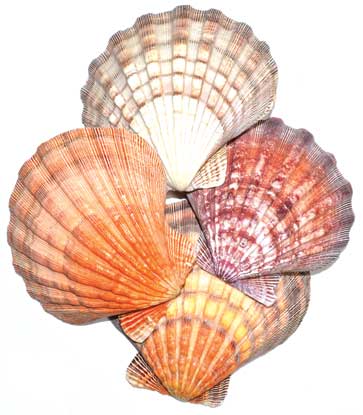
Lion’s Paw Shell Incense Burner
$6.55
Venus’s Shell for Your Smoke
A natural lion’s paw scallop shell about 5″ x 5″, used as a burner for incense and smudging and favoured for love and beauty work because of the scallop’s long tie to Venus.
Quick Uses
- Smudge Rest: Lay a smouldering herb bundle in the shell between passes.
- Love Offering: Burn rose or jasmine incense in it on a Friday for Venus.
- Altar Water Bowl: Fill it with salt water to represent the sea on your altar.
How to Use It
Witchcraft & Folk Magick
- Fill the bowl with sand and burn love incense on a Friday to honour Venus.
- Rest it in the west of your altar as the shell of water and the sea.
Hoodoo & Rootwork
- Burn a love-drawing incense in the shell and pass a photo of yourself through the smoke for attraction.
- Set it beneath a pink candle dressed with love oil to catch the drippings and the smoke.
Ceremonial & Occult Magick
- Use it as the censer for a Venus working, burning rose and benzoin in the hour of Venus.
- Place it on a copper plate, the metal of Venus, to build a planetary altar.
Demonology & Black Magick
- Burn offerings in it for spirits of love and lust, such as those in the Goetia said to grant affection.
- Hold a spirit’s sigil above its smoke while you speak your request for attraction.
A Simple Working
- On a Friday, pour a layer of sand into the shell.
- Light a pink chime candle beside it.
- Place a self-lighting charcoal tablet on the sand and sprinkle on dried rose petals.
- Hold a small mirror over the smoke and gaze into it.
- Ask Venus to let your beauty and charm be seen.
- Let the candle burn out and keep the mirror in your bag through the week.
Pairs Well With
- Pink Chime Candles: Simple lights for love and glamour.
- Rose Petals: A classic Venus herb to burn in the shell.
- Charcoal Tablets: For burning loose herbs and resins.
- Sand: A heat-resistant bed for burning inside the shell.
What You Receive
One natural lion’s paw shell incense burner, 5″ x 5″.
Origin & Lore
Shells were first used as natural bowls and containers, and in magick they have long held incense, herbs and offerings. The lion’s paw is a scallop of the western Atlantic, named for the knobbed ribs on its shell that resemble the pads of a great cat’s paw.
The scallop has been tied to Venus since antiquity, for the goddess was said to have risen from the sea, and Botticelli’s Renaissance painting The Birth of Venus shows her standing on one. The scallop was also the emblem of medieval pilgrims to Santiago de Compostela.
Did You Know?
Pilgrims walking to Santiago de Compostela have carried the scallop shell as their badge since the Middle Ages.
Related products


