Love Honey for Her (Miel de Amor Para Ellas) w/ pheromones
$9.85
A honey jar companion for sweetening
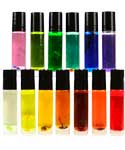
Miel de Amor Para Ellas, a red roll-on spiritual perfume with pheromones and a steeped talisman, worn to sweeten a lover and keep love tender.
Quick Uses
- Honey jars: roll a little onto a name paper before sealing it in a honey jar, and wear it when you tend the jar.
- Candle dressing: dress a pink or red candle and burn it on the lid of the honey jar.
- Reconciliation: roll it on the pulse points before seeing your partner after a quarrel.
- Pillow charm: anoint a small pink pouch of rose petals and sugar kept under the pillow.
How to Use It
Hoodoo & Rootwork
- Roll a little onto a name paper before sealing it in a honey jar, and wear the perfume when you tend the jar.
- Dress a pink or red candle with it and burn it on the lid of the honey jar.
Witchcraft & Folk Magick
- Roll it on the pulse points before seeing your partner after a quarrel.
- Anoint a small pink pouch of rose petals and sugar kept under the pillow.
A Simple Working
- Write your partner’s name three times on a square of paper and cross it with your own name three times.
- Roll a little perfume onto the four corners of the paper.
- Fold it toward you and push it into a small jar of honey.
- Taste a little honey from the jar, saying as this honey is sweet to me, so I am sweet to you.
- Seal the jar, and dress a pink chime candle with the perfume.
- Burn the candle on the lid, and wear the perfume when you will see them.
Pairs Well With
- Honey, the heart of any sweetening jar.
- Rose petals, for romance.
- Cinnamon, to warm the work.
- Pink candles, for tenderness.
- Love Honey for Him, if working on both sides of a relationship.
What You Receive
Love Honey for Her (Miel de Amor Para Ellas) perfume oil with pheromones, red in colour, in a 1/3 oz roll-on vial, blended with essential oils and pheromones, with a small talisman steeped in the perfume.
Origin & Lore
This roll-on spiritual perfume is named Miel de Amor, love honey, in the version for her. Sweetening work, often done with a honey jar, is meant to soften a person’s heart toward you, end quarrels and keep love tender, and this perfume brings the same intention onto the body. Each vial blends essential oils and pheromones with a small talisman steeped in the perfume.
Honey is the oldest sweetener in folk magick: what you sweeten, the saying goes, cannot stay sour toward you.
The honey jar is one of the best-known workings in hoodoo, used to sweeten lovers, bosses, judges and family members alike. In Afro-Cuban tradition, honey is the beloved offering of Oshun, the Orisha of love and sweet water, and love products with honey in their names are some of the most popular on botánica shelves.
Did You Know?
Honey’s low water content and natural acidity make it extraordinarily resistant to spoiling, and pots of it have been found in ancient Egyptian tombs.
| Weight | 0.1 lbs |
|---|
Related products