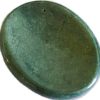

Magnetic Hematite Ovals (Set of 2, 60 mm)
$2.15
A pair of magnetic stones that pull negativity from your field
A pair of tumbled oval magnetic hematite stones, worked to absorb negative energy and to bind, draw and ground.
Quick uses
- Absorbing: hold one in each hand to draw off heavy energy.
- Grounding: work them after ritual to return to your body.
- Binding: set them together over a name paper to hold two things fast.
In stock
How to Use It
Witchcraft & Folk Magick
- Hematite is a stone of grounding and protection, and its magnetic pull makes it a natural tool for drawing and binding.
- Hold a stone in each hand during meditation and picture heavy energy draining into them.
- Cleanse them afterwards in smoke or salt.
Hoodoo & Rootwork
- Magnets are classic drawing charms in conjure, like the lodestone. Feed the pair with a sprinkle of magnetic sand or drawing oil.
- Place one by your door and one at your workplace to pull luck between them.
Candle Magick
- Set the two ovals either side of a candle to hold the working in place while it burns.
Demonology & Black Magick
- Magnetic stones are ideal for binding and control. Set a name paper between the two ovals so they clamp it, and petition a spirit of domination over it.
- Use them to hold a spirit’s seal and an offering together on the altar, as a sign of the bond between you.
- After evocation, hold them to ground and to pull off any lingering influence.
A Simple Working
- Cleanse the stones in incense smoke.
- Write the name or situation you want to bind on a slip of paper.
- Lay the paper between the two ovals so they hold it tight.
- Light a black candle beside them and state the binding clearly.
- Leave the stones in place until the work is done, then cleanse them.
Pairs Well With
- Lodestones: for drawing work.
- Magnetic sand: to feed the stones.
- Black candles: for binding and control.
- Black tourmaline: for protection.
- Sea salt: to cleanse the stones.
What You Receive
One set of two 60 mm Magnetic Hematite Ovals, tumbled. From China.
Origin & Lore
Hematite takes its name from the Greek word haima, blood, and was carved into amulets and seals in ancient Mesopotamia and Egypt.
Magnetic stones have been worked as drawing charms for centuries, the lodestone above all, and magnetic pairs sold as toys have been known as rattlesnake eggs or singing magnets for the buzzing sound they make when tossed together.
Did You Know?
Natural hematite looks silver-black, but when it is ground or scratched across unglazed porcelain it leaves a blood-red streak, which is how it got its name.
| Weight | 0.30 lbs |
|---|
Related products