



Midsummer Night oil
Price range: $6.55 through $74.75
An oil of fairies and love · Available in 3 sizes
An oil named for Midsummer Night, the old night of fairies and love magick, worked for vitality, passion, love, abundance and dream work.
Quick Uses
- Dreams: anoint your pillow or bed frame on Midsummer Eve for prophetic dreams of love.
- Love: dress a candle for a love-drawing spell timed to the solstice.
- Offerings: leave a little on a stone or flower in the garden as an offering to the fair folk.
- Solstice: dress the candles of a solstice ritual held at dusk on Midsummer Eve.
How to Use It
Witchcraft & Folk Magick
- Anoint your pillow or the bed frame before sleep on Midsummer Eve for prophetic dreams of love.
- Dress a candle for a love-drawing spell timed to the solstice.
- Leave a little on a stone or flower in the garden as an offering to the fair folk.
Ceremonial & Occult Magick
- Anoint the brow before dream incubation or astral work.
- Dress the candles of a solstice ritual held at dusk on Midsummer Eve.
A Simple Working
- On Midsummer Eve, gather seven different kinds of flowers or herbs.
- Tie them into a small bundle with a ribbon and anoint it with Midsummer Night oil.
- Dress a pink or green candle and burn it beside your bed.
- Put the bundle under your pillow before you sleep.
- Ask to dream of the one meant for you, or of what the coming year holds.
- Write down your dreams as soon as you wake.
Pairs Well With
- St John’s wort, the herb of Midsummer Eve.
- Fresh flowers, for the old seven-flower love charm.
- Mugwort, for vivid dreams.
- Moonstone, for dream work and intuition.
- A pink candle, for romance.
What You Receive
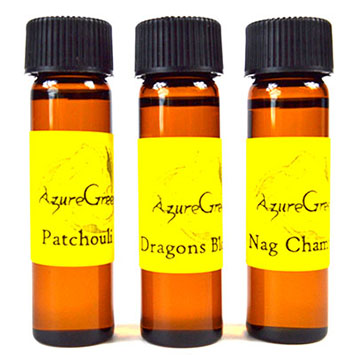
Midsummer Night oil, available in 2 dram, 1 oz and 16 oz bottles.
Origin & Lore
Midsummer Night oil is named for the eve of the summer solstice and St John’s Day, one of the most magickal nights in European folklore. It was a night for love divination, herb gathering and fairy encounters, and the oil is worked for passion, love, vitality and the dream magick the night was famous for.
Midsummer Eve was the night of the year when fairies walked, fern seed could make you invisible and a girl could dream of her future husband.
Shakespeare set A Midsummer Night’s Dream on this night of fairy mischief and lovers’ confusion, drawing on beliefs his audience knew well. Across Europe, young women laid flowers under their pillows on Midsummer Eve to dream of a husband, and in Sweden the custom of gathering seven kinds of flowers is still practised.
Did You Know?
Elizabethans believed fern seed gathered on Midsummer Eve could make a person invisible, and Shakespeare jokes about it in Henry IV, Part 1: “we have the receipt of fern-seed, we walk invisible”.
| Weight | N/A |
|---|---|
| Size | 2 dram, 1 oz, 16 oz |
Related products


