



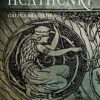
Midsummer
$14.29
Litha Rites For The Longest Day
A pocket paperback guide to Midsummer, the summer solstice, for witches celebrating abundance and light on the longest day.
Quick Uses
- Solstice Planner: Read it in June to plan your Midsummer altar and rite.
- Sun Charging: Set tools and stones out in the solstice sun.
- Herb Gathering: Gather your herbs on Midsummer, as folk tradition advises.
How to Use It
Witchcraft & Folk Magick
- Gather St John’s wort or other herbs on Midsummer morning and dry them for the year.
- Light a solstice fire or candle and leap it, or pass charms over it for luck.
Ceremonial & Occult Magick
- Work solar rites at noon on the solstice for success and strength.
- Consecrate solar talismans and gold jewellery in the full sun.
Demonology & Black Magick
- Mark the turn toward the dark half of the year with a rite for the waning sun.
- Use the night of Midsummer Eve, long held to be thick with spirits, for spirit contact.
A Simple Working
- At noon on the solstice, set a gold chime candle in the sun.
- Lay a citrine and a sprig of St John’s wort beside it.
- Light the candle and face the sun.
- Name what you want to grow in the coming months.
- Let the candle burn down.
- Carry the citrine as your solstice charm.
Pairs Well With
- Gold Chime Candles: For solar and success workings.
- St John’s Wort: The classic Midsummer herb.
- Citrine: A sunny stone for abundance.
- Frankincense: A solar resin to burn.
What You Receive
One copy of Midsummer, paperback, 4.9″ x 6.9″, 240 pages.
Origin & Lore
This guide covers the history and modern celebration of Midsummer, also called the summer solstice or Litha, and shows how to work with the energy of the year’s longest day.
Midsummer bonfires were lit across Europe for centuries, often on St John’s Eve, June 23rd. Folk custom held that herbs picked that night were at their strongest, and that the night was busy with fairies and spirits, an idea Shakespeare used in A Midsummer Night’s Dream.
Did You Know?
St John’s wort takes its name from St John’s Day, June 24th, the Midsummer feast when it was traditionally gathered and hung over doors.
Related products


