Myrrh oil
Price range: $3.25 through $74.75
The ancient anointing resin in oil · Available in 3 sizes
A myrrh oil for anointing and ritual, worked for purification, exorcism, protection and preparing yourself for ritual.
Quick Uses
- Purification: anoint yourself at the brow, throat and heart before ritual as a purifying preparation.
- Ancestors: dress candles for rites of mourning, ancestor work or the waning moon.
- Baths: add a few drops to a cleansing bath before important work to strip away anything clinging to you.
- Consecration: consecrate ritual tools, robes and the altar, following myrrh’s ancient role in holy anointing oils.
How to Use It
Witchcraft & Folk Magick
- Anoint yourself before ritual as a purifying preparation, at the brow, throat and heart.
- Dress candles for rites of mourning, ancestor work or the waning moon.
Hoodoo & Rootwork
- Add a few drops to a cleansing bath before starting important work, to strip away anything clinging to you.
- Dress a white candle on a petition to drive out an evil influence from the home.
Ceremonial & Occult Magick
- Consecrate ritual tools, robes and the altar, following myrrh’s ancient role in holy anointing oils.
- Anoint yourself and the circle before an exorcism or banishing, and the candles of evocation work.
A Simple Working
- Before a ritual, run a bath or fill a basin with warm water and a little salt.
- Add a few drops of myrrh oil and stir it with your hand.
- Wash, or wash your hands and face, asking to be cleansed of all that does not belong to the work.
- Anoint your brow, throat, heart and palms.
- Dress a white candle on the altar with the oil and light it to open the rite.
- Proceed with your ritual, and let the candle burn until you close.
Pairs Well With
- Frankincense, myrrh’s traditional partner in temple incense.
- Charcoal tablets, for burning myrrh resin alongside the oil.
- A white candle, for purification.
- Sandalwood, for a calmer, devotional blend.
- Holy water or salt water, for cleansing before anointing.
What You Receive
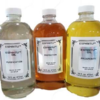
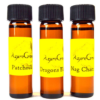
Myrrh oil, available in 2 dram, 1 oz and 16 oz bottles.
Origin & Lore
This is a single-note oil named for myrrh, the bitter, fragrant gum resin of Commiphora myrrha, a thorny tree of Arabia and the Horn of Africa. In the ancient world myrrh was a sacred perfume, a temple incense and an embalming resin, and it was one of the principal ingredients of the holy anointing oil described in Exodus.
Myrrh was one of the three gifts of the Magi, and long before that it was burned in Egyptian temples and used to embalm the dead.
The Egyptians burned myrrh in their temples and used it in embalming, and the famous temple incense kyphi included it. In Exodus, the holy anointing oil given to Moses is made of myrrh, cinnamon, calamus, cassia and olive oil, a recipe later echoed by the Abramelin oil of ceremonial magick.
The Gospels mention myrrh at both ends of the life of Jesus: as a gift at his birth and as a burial spice brought by Nicodemus.
Did You Know?
The word myrrh comes from a Semitic root, murr, meaning “bitter”, describing the taste of the resin.
| Weight | N/A |
|---|---|
| Size | 2 dram, 1 oz, 16 oz |
Related products