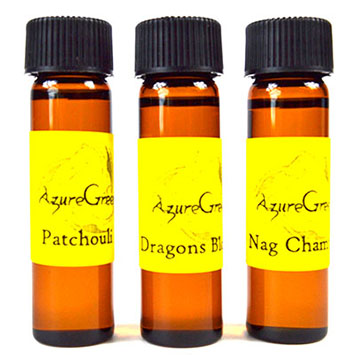
Nag Champa oil
Price range: $6.55 through $74.75
The temple scent of India · Available in 3 sizes
Nag champa oil captures the sweet, powdery scent of India’s best-known temple incense, worked for cleansing, calm, meditation and blessing a space.
Quick Uses
- Meditation: anoint the brow or a purple candle before reading cards or meditating.
- Space blessing: add a few drops to an oil burner or a bowl of water after moving in or after guests leave.
- Altar: wipe the altar cloth, statues and candle holders with a little oil for a peaceful, devotional tone.
How to Use It
Witchcraft & Folk Magick
- Meditation and divination: anoint the brow or a purple candle before sitting to read cards or meditate, letting the familiar scent quiet the mind.
- Space blessing: add a few drops to an oil burner or a bowl of water when moving into a new home or after guests leave.
- Altar dressing: wipe the altar cloth, statues and candle holders with a little of the oil to set a peaceful, devotional tone.
A Simple Working
- Tidy and dust the room you want to bless.
- Put five drops of nag champa oil in an oil burner or a small dish of warm water.
- Light a white tealight beside it.
- Sit in the room for ten minutes, breathing slowly, and picture the space settling.
- Say aloud what you want the room to hold: peace, rest, clear thinking.
- Let the tealight burn out on its own.
Pairs Well With
- Sandalwood oil: the base note of nag champa, for a deeper blend.
- A white tealight: for a calm, simple blessing flame.
- A clear quartz point: anointed for meditation work.
- Frankincense resin: for a more formal temple cleansing.
What You Receive
Nag Champa oil in 2 dram, 1 oz and 16 oz (1 lb) sizes.
Origin & Lore
Nag champa is a fragrance from Indian incense making, named for the champak flower (Magnolia champaca) and usually built on sandalwood. It was made as a masala incense, a paste of resins, woods and flowers rolled onto bamboo sticks, and burned in homes and temples during worship and meditation. The oil captures that same scent in liquid form.
Smell nag champa once and you know it anywhere: the soft, powdery incense of ashrams, yoga rooms and a great many record shops of the 1970s.
‘Nag’ means cobra in Hindi, from the Sanskrit naga, and ‘champa’ is the champak tree, whose fragrant yellow-orange flowers are offered at Hindu shrines and worn in the hair. The scent spread worldwide in the 1960s and 70s as Indian incense travelled west with yoga, ashram culture and the counterculture.
Did You Know?
Classic nag champa sticks owe their soft, slightly sticky feel to halmaddi, a resin from the Ailanthus triphysa tree of southern India.
| Weight | N/A |
|---|---|
| Size | 2 dram, 1 oz, 16 oz |
Related products