


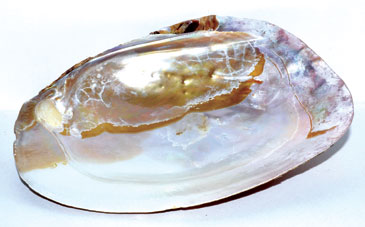
Natural Shell Smudge & Incense Burner (6″)
$4.35
A Sea Shell for Your Smudge
A natural 6″ shell made to hold smudge bundles and herbs while they burn, prized by practitioners who want a bowl that brings water and earth together under the smoke.
Quick Uses
- Smudge Rest: Lay your smoking herb bundle in it between passes around the room.
- Loose Herb Burner: Fill it with sand, add a charcoal tablet and burn loose herbs.
- Water Altar Bowl: Use it in the west of your altar to hold sea water or salt water.
How to Use It
Witchcraft & Folk Magick
- Fill it with sand and burn mugwort or rosemary on charcoal for a room cleansing.
- Set it in the west of your altar as the element of water.
Hoodoo & Rootwork
- Burn a cleansing incense in it and carry it through each room, starting at the back of the house.
- Set it on your altar with blue candles and sea water as an offering to the spirits of the sea.
Ceremonial & Occult Magick
- Use it as the cup of water at the western quarter of your circle.
- Burn a lunar incense in it during rites of the sea and the moon.
Demonology & Black Magick
- Burn cleansing herbs in it after evocation to clear the space of residue.
- Burn an offering in it for a spirit linked with water.
A Simple Working
- On a Monday, pour a layer of sand into the shell.
- Place a charcoal tablet on the sand and light it.
- Sprinkle dried rosemary and a pinch of sea salt onto the coal.
- Carry the shell through each room, letting the smoke reach the corners.
- Say a blessing for the home as you go.
- Return the shell to your altar and let it burn out.
Pairs Well With
- Sand: A heat-resistant bed for burning.
- Charcoal Tablets: For burning loose herbs.
- White Sage Smudge Stick: The classic bundle to rest in the shell.
- Rosemary: A cleansing and protective herb.
What You Receive
One natural shell incense and smudge burner, approximately 6″ (sizes may vary slightly). Recommended use is to place herbs on top of sand, ash or crushed stone before burning.
Origin & Lore
Shells were first used as natural containers by people across the world, and their use as holders for herbs and smoke comes from that simple purpose. In magick a shell carries the element of water, so burning herbs inside one joins water, earth and fire in one vessel.
Shells are also sacred in many traditions. In Yoruba-derived religion the cowrie shell is used for divination, and the scallop was the emblem of Aphrodite and Venus, born from the sea.
Did You Know?
In Yoruba-derived traditions such as Santería, cowrie shells are cast for divination.
Related products


