




In much of South India, a bunch of neem leaves tied above a doorway still tells neighbours that someone inside is ill and that the household is under the goddess’s protection.
Origin & Traditional Use
Neem is a fast-growing evergreen tree native to the Indian subcontinent. Its twigs have long been chewed as toothbrushes, its leaves laid among stored grain and clothes to keep insects away, and it is traditionally used in Ayurvedic practice for the skin.
Uses by Tradition
Witchcraft & Folk Magick
- Mixed into a cleansing bath or floor wash to strip away heavy, stagnant energy.
- Sprinkled across thresholds and windowsills as a bitter barrier against harm.
- In Indian folk practice, offered to the fever goddesses Sitala and Mariamman, hung at doors and burned to purify the home.
A Simple Working
- Stir a teaspoon of neem powder and a tablespoon of salt into a bucket of warm water.
- Add a few drops of lemon juice.
- Starting at the back of the house, wipe down your floors and door frames, working toward the front door.
- Speak aloud what you are washing out of the home.
- Pour the remaining water out the front door or at a crossroads.
- Light a white candle to close the work.
Pairs Well With
- Salt: the classic partner in cleansing washes.
- Lemon: sharpens the cutting, clearing action of the wash.
- Turmeric: another Indian protective powder with a long ritual history.
- A white candle: to seal a space once it has been cleared.
Lore & History
Neem’s Sanskrit name nimba appears in old Ayurvedic texts, and its common nickname “the village pharmacy” reflects how many everyday uses it had. Its bond with Mariamman runs deep in Tamil Nadu, where devotees wear and carry neem leaves at her festivals. At the Ugadi new year, bitter neem flowers are eaten with jaggery as a reminder that life holds sorrow as well as sweetness.
What You Receive
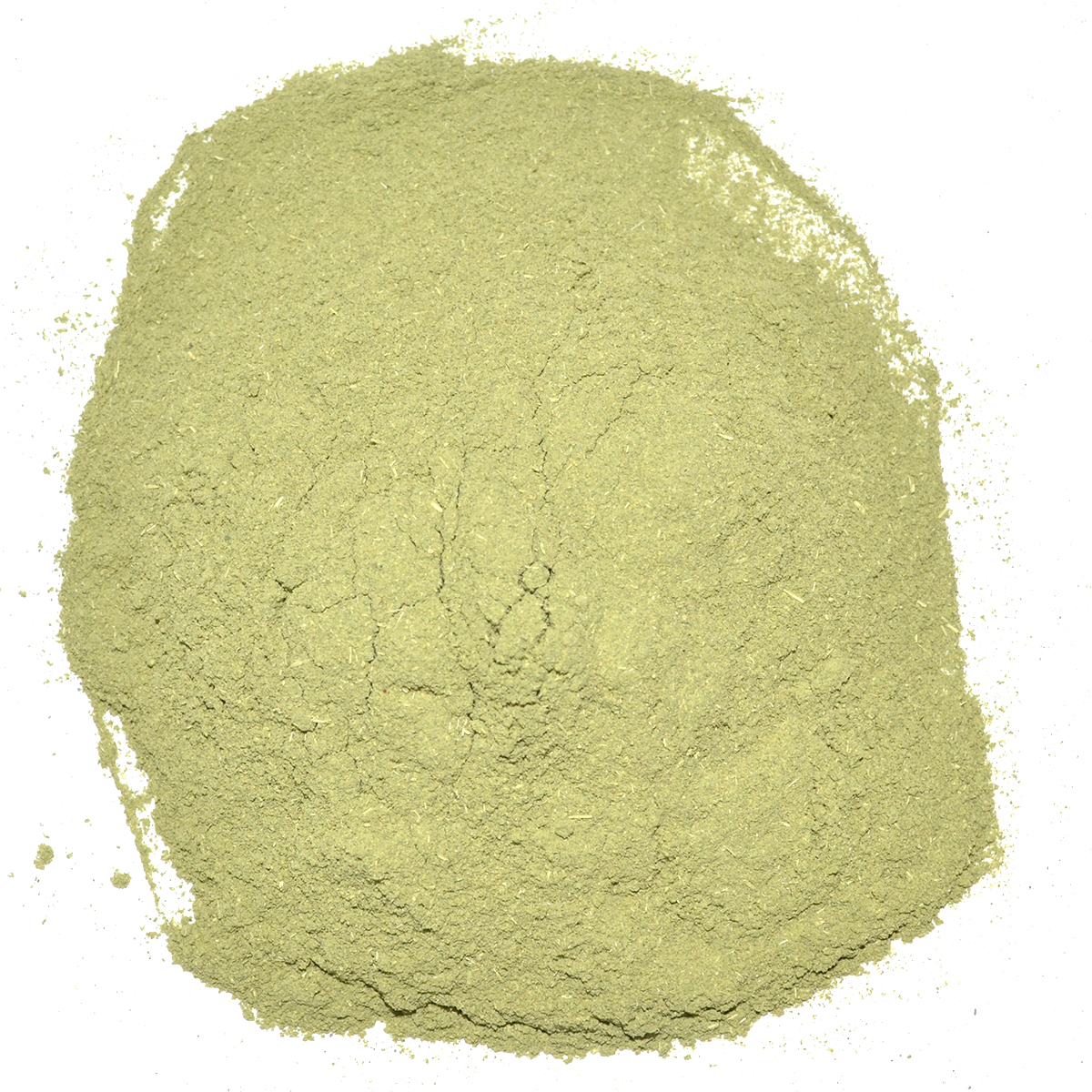
Neem powder, available in 1 oz, 2 oz and 1 lb.
Did You Know?
Neem seeds are the source of azadirachtin, a natural compound used commercially as a plant-based insecticide.
| Weight | N/A |
|---|---|
| Size | 1 oz, 2 oz, 1 lb |
Related products


All Herbs

All Herbs