


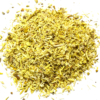
Orange blossom has crowned brides across Europe since the nineteenth century, and the peel carries the same promise of sweetness, plenty and good fortune.
Origin & Traditional Use
The sweet orange came west from China and Southeast Asia, reaching Europe through Portuguese and Arab trade, which is why it is still called “portokali” in Greek. Dried peel has long been used in cooking, liqueurs, potpourri and pomanders hung to scent the house.
Uses by Tradition
Witchcraft & Folk Magick
- Added to love sachets and baths to attract affection and warmth.
- Burned in solar and prosperity incense or simmered on the stove to lift the mood of a home.
- Used in old divination games where the peel or pips answered questions of love.
Hoodoo & Rootwork
- Placed in honey and sugar jars to sweeten someone toward you.
- Added to money and luck mojo bags for an easy, bright kind of attraction.
Ceremonial & Occult Magick
- Included in incenses and talismans of the Sun for success, recognition and vitality.
A Simple Working
- On a Sunday, take a small jar of honey and a spoonful of orange peel.
- Write the name of the person or situation you want sweetened on a slip of paper.
- Fold the paper toward you and push it into the honey with the orange peel.
- Close the jar and burn a small orange or yellow candle on the lid.
- Repeat on each Sunday, letting the wax build up on the lid.
Pairs Well With
- Cinnamon: warms and speeds love and money blends.
- Red rose petals: the classic partner in love sachets.
- Clove: completes the traditional pomander scent and adds attraction.
- Honey: the base for sweetening jars.
Lore & History
Clove-studded oranges, or pomanders, were carried and hung in Tudor England to perfume rooms and clothing, and later became Christmas decorations. Oranges were once such a luxury in northern Europe that a single fruit in a Christmas stocking was a prized gift.
What You Receive
Cut and sifted dried sweet orange peel, available in 1 oz, 2 oz and 1 lb.
Did You Know?
The colour orange is named after the fruit, not the other way round: the word for the fruit came into English first.
| Weight | N/A |
|---|---|
| Size | 1 oz, 2 oz, 1 lb |
Related products


