


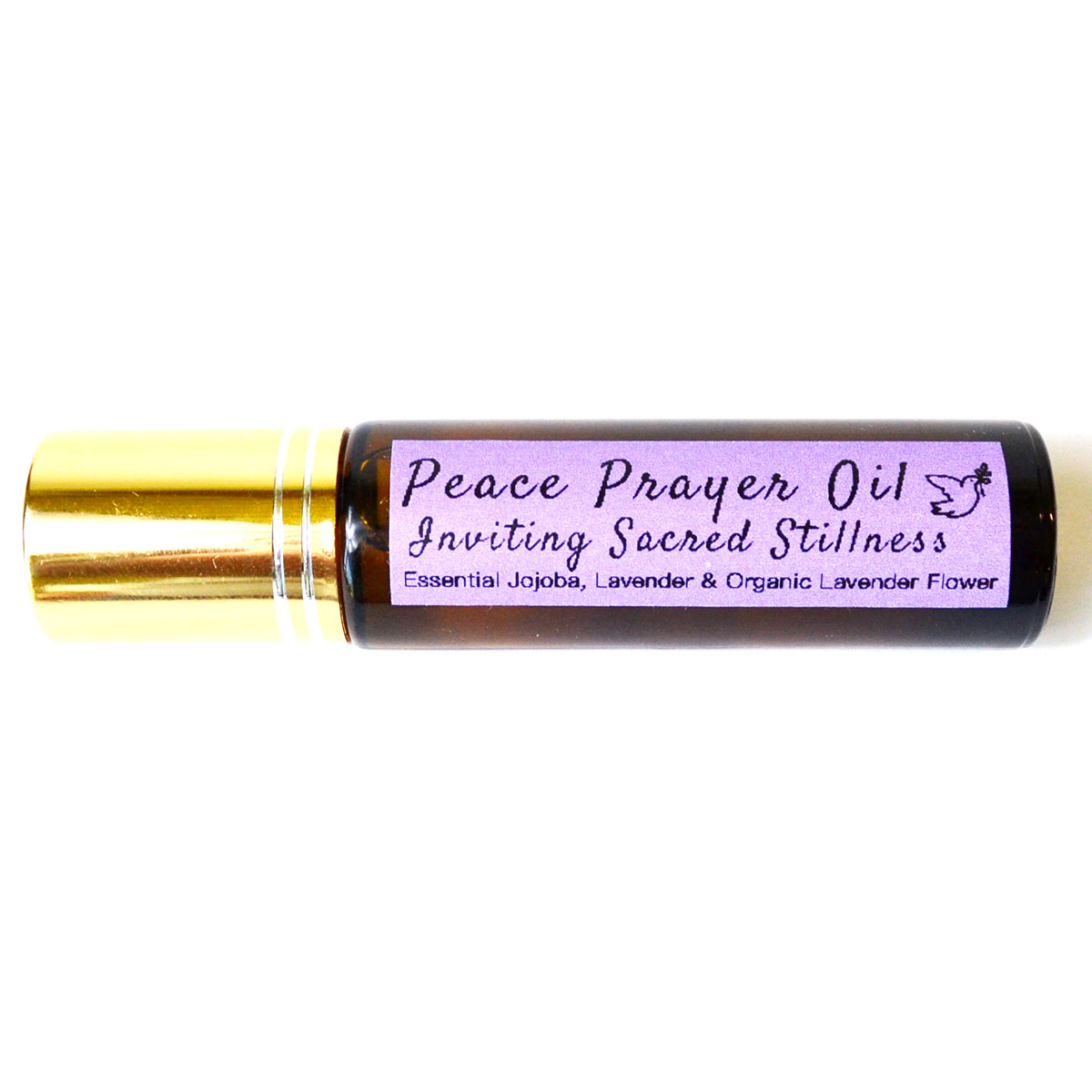
Peace prayer oil
$14.25
A lavender oil for calm prayer
A lavender prayer oil made with lavender essential oil and flowers, used on hands and wrists for calm prayer, rest and household peace.
Quick Uses
- Meditation: anoint the wrists and temples before meditation or evening prayer to mark the shift into stillness.
- Peace: dress a lavender or white candle for peace in a household full of arguments.
- Rest: add a drop to a pillow sachet for calm, settled rest.
- Floor wash: add a few drops to a peaceful home floor wash, working from the back of the house to the front door.
How to Use It
Witchcraft & Folk Magick
- Anoint the wrists and temples before meditation or evening prayer to mark the shift into stillness.
- Dress a lavender or white candle for peace in a household that has been full of arguments.
- Add a drop to a pillow sachet for calm, settled rest.
Hoodoo & Rootwork
- Add a few drops to a peaceful home floor wash, working from the back of the house to the front door.
- Anoint a petition for peace between family members and keep it under a white candle.
Ceremonial & Occult Magick
- Use it to gently cleanse and bless a meditation space before contemplative work.
- Anoint the heart space before prayer as a simple act of dedication.
A Simple Working
- Choose a quiet time of day and sit somewhere you will not be disturbed.
- Light a white candle in front of you.
- Roll the oil onto your palms, rub them together and cup them over your nose and mouth.
- Breathe in slowly three times, letting each breath out longer than the last.
- Pray, or simply name what you want to set down for now.
- Touch the oil to your heart space and sit in silence until you feel settled.
- Pinch out the candle and keep it for the next time.
Pairs Well With
- Chamomile, a gentle herb of peace and rest, in a tea or sachet.
- Rose quartz, kept on the altar for tenderness and calm.
- A white candle, for peace and quiet blessing.
- Rosemary, for a cleansing that keeps the clear, steady feeling of lavender.
What You Receive
Peace prayer oil, in a 10 ml roller bottle. Crafted with essential lavender oil and organic lavender flowers, with a subtle scent meant for moments of prayer rather than all-day wear.
Origin & Lore
Lavender is a Mediterranean shrub prized since antiquity for its clean scent, used by Romans in their baths and later strewn on floors and folded into stored linen. In folk practice it became a herb of peace, calm sleep and gentle purification, which makes it a natural companion to quiet prayer.
Lavender has been tucked into linen chests, church floors and bathwater for centuries, and its name is often traced to the Latin lavare, to wash.
Lavender was a strewing herb in medieval and Tudor houses, scattered on floors so it released its scent when walked on.
A European legend says Mary dried the infant Jesus’ clothes on a lavender bush and the plant took its fragrance from them, which is one reason lavender appears in Christian folk devotion.
Did You Know?
Lavender is one of the herbs named in many versions of the old Four Thieves Vinegar recipe.
| Weight | 0.1 lbs |
|---|
Related products


