


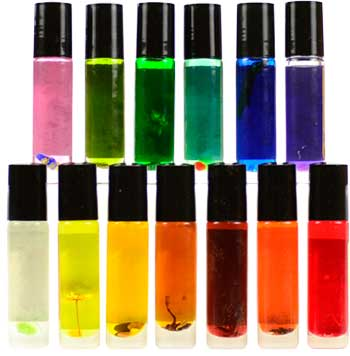


Protection (Protecion) w/ pheromones
$9.85
A daily roll-on shield
Protección, a blue roll-on spiritual perfume with pheromones and a steeped talisman, worn daily as a shield against harm, envy and ill will.
Quick Uses
- Daily shield: roll it on the crown, nape and wrists each morning before leaving the house.
- Home: dress a white or blue candle with it for protection of the home.
- Charms: touch it to a protective charm or medal worn daily.
- Sealing: wear it after an uncrossing bath to seal the work.
How to Use It
Witchcraft & Folk Magick
- Roll it on the crown, nape and wrists each morning before leaving the house.
- Dress a white or blue candle with it for protection of the home.
- Touch it to a protective charm or medal worn daily.
Hoodoo & Rootwork
- Wear it after an uncrossing bath to seal the work.
- Anoint a protection mojo bag and the corners of the front door.
A Simple Working
- Set out a white chime candle and a written copy of Psalm 91 or a protective prayer of your own.
- Roll the perfume over the candle and light it.
- Read the prayer or psalm aloud.
- Roll the perfume onto your crown, the back of your neck and both wrists.
- Fold the paper and keep it by the front door or in your wallet.
- Let the candle burn down, and renew the perfume each morning.
Pairs Well With
- Rue, for Latin American protective limpias.
- Black tourmaline, kept by doors.
- Sea salt, for cleansing baths before the perfume.
- White and blue candles.
- A Saint Michael medal, worn for protection in Catholic folk practice.
What You Receive
Protection (Protecion) perfume oil with pheromones, blue in colour, in a 1/3 oz roll-on vial, blended with essential oils and pheromones, with a small talisman steeped in the perfume.
Origin & Lore
This roll-on spiritual perfume is named Protección, protection, a botánica formula worn as a daily shield. Protection work in folk magick is meant to keep off envy, the evil eye, harmful spirits and the ill wishes of others, and each vial blends essential oils and pheromones with a small talisman steeped in the perfume.
Many protective practices are quiet and daily: a prayer at the door, a charm in a pocket, a scent you put on each morning.
Protection is one of the oldest and broadest conditions in folk magick, and botánica protection products are often worked with prayers to Saint Michael the Archangel or Psalm 91. The perfume form reflects the Latin American love of spiritual colognes, worn daily so that the protection is renewed each time.
Did You Know?
Psalm 91 is often called the soldier’s psalm, and copies of it were carried by soldiers in the First World War.
| Weight | 0.1 lbs |
|---|
Related products


