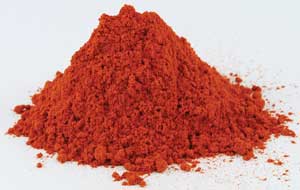

Red Sandalwood powder (Pterocarpus santalinus)
Price range: $5.45 through $48.35
The red pigment of love work · Available in 2 sizes
A deep blood-red wood powder used to colour incense, inks and sachet powders, lending love work its colour without adding scent.
Quick Uses
- Love incense: blend it into loose incense as a red base for love work, with a resin to carry the scent.
- Red ink: steep a spoonful in strong alcohol for several days, strain it and write love petitions with it.
- Candle dressing: roll an oiled red candle through the powder before burning.
- Mojo bags: add a pinch to a red flannel love hand to strengthen its colour.
How to Use It
Witchcraft & Folk Magick
- Love incense: blend into loose incense as a red base for love and passion work, alongside a resin that carries the scent.
- Red ink: steep a spoonful in strong alcohol for several days to draw out the pigment, then strain and use it to write love petitions.
- Candle dressing: roll an oiled red candle through the powder to coat it before burning.
Hoodoo & Rootwork
- Sachet powders: mixed into a talc or cornstarch base to tint love-drawing powders red, then dusted on the body, clothing or a petition.
- Mojo bags: a pinch added to a red flannel love hand to strengthen its colour symbolism.
A Simple Working
- Write the name of the person you want to draw closer on a small square of paper.
- Dress a red chime candle lightly with rose oil.
- Roll the candle through a spoonful of red sandalwood powder.
- Fold the paper toward you and set it under the candle holder.
- Light the candle and speak your intention plainly.
- Let it burn down, then keep the paper and any remaining powder in a red cloth.
Pairs Well With
- Rose petals, for the scent and symbolism red sandalwood lacks.
- Dragon’s blood resin, a fellow red for love and power incense.
- Benzoin, as a sweet resin to carry an incense blend.
- A red chime candle, for dressing and love work.
What You Receive
Red sandalwood, fine red powder, available in 1 oz and 1 lb.
Origin & Lore
Pterocarpus santalinus is a slow-growing tree native to the dry hills of south-eastern India. It is not a true sandalwood; it borrowed the name for its fine, heavy heartwood. Ground into powder, it was used as a red dye for textiles and as a colouring for food, and in India its paste, rakta chandana, is applied in worship.
Red sandalwood has almost no fragrance. What it gives is colour: a rich blood-red that has dyed cloth, food and ritual paste for centuries.
The red colouring in the wood comes from a pigment called santalin. In medieval Europe the powdered wood was traded as “saunders” and used to colour dishes and sauces, a practice that shows up in old English cookery manuscripts.
Did You Know?
The Forme of Cury, a cookbook compiled for the court of Richard II around 1390, calls for “saunders” to colour several of its dishes red.
| Weight | N/A |
|---|---|
| Size | 1 oz, 1 lb |
Related products
All Herbs