Southern Italians wore the cimaruta, a silver charm shaped like a sprig of rue, to turn aside the evil eye; Latin American families keep a pot of ruda by the door for the same reason.
Origin & Traditional Use
Rue (Ruta graveolens) is a blue-grey, strongly scented herb from southern Europe. It was a strewing and household herb, carried and hung against plague and disease, and an ingredient in many recipes for Four Thieves Vinegar. In Mexico and across Latin America ruda is used in limpias, spiritual cleansings, to this day.
Uses by Tradition
Witchcraft & Folk Magick
- Evil eye: dab a little on the forehead and wrists, or on a baby’s crib, in the old Mediterranean way of guarding against envy.
- Banishing: dress a black candle with rue and burn it to drive out a presence or a person’s influence.
- Hanging protection: anoint a cimaruta, a hamsa or a blue eye bead and wear it.
Hoodoo & Rootwork
- Uncrossing: add rue oil to a cleansing bath and wash downward from head to feet, then throw the water out towards the east.
- Jinx breaking: dress a reversing or white candle with rue to break a jinx laid on the home.
Folk Catholicism & Spiritism
- Limpias: a bundle of fresh ruda is swept over the body to cleanse, and the oil is rubbed on the hands and over the heart before and after the work.
A Simple Working
- Draw a warm bath and add a handful of sea salt.
- Add seven drops of rue oil and stir counterclockwise.
- Light a white chime candle and set it at the head of the bath.
- Soak, then pour the water over your head seven times, saying what is being cut away.
- Step out without towelling off and let yourself air dry.
- Take a cup of the bathwater and throw it out the front door towards the east.
- Let the candle burn down.
Pairs Well With
- Sea salt: for an uncrossing bath.
- A black chime candle: for banishing the influence that caused the cross.
- Rosemary oil: another protective herb that softens rue’s bite.
- A blue eye bead: to wear after the cleansing.
Lore & History
Shakespeare’s Ophelia calls rue ‘herb of grace o’ Sundays’, reflecting an English name linked to repentance and grace. The coat of arms of Saxony carries a green band of rue leaves, the Rautenkranz.
What You Receive
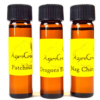
Rue oil in 2 dram, 1 oz and 16 oz (1 lb) sizes.
Did You Know?
The plant compound rutin, now found in many foods, was first isolated from rue and is named after its genus, Ruta.
| Weight | N/A |
|---|---|
| Size | 2 dram, 1 oz, 16 oz |
Related products