



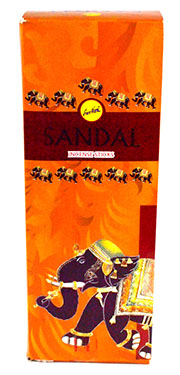
Sandalwood Incense Sticks (6 Packs of 20)
$9.85
Sandalwood for Every Altar
A box of Indian sandalwood stick incense, the soft, woody temple scent practitioners burn for consecration, protection and spirit offerings.
Quick Uses
- Consecration: Pass a new tool through the smoke and name its purpose.
- Spirit Offering: Burn a stick at the start of any spirit contact.
- Protection: Burn one at the front door to ward the home.
- Meditation: Light a stick before trance or visualisation work.
How to Use It
Witchcraft & Folk Magick
- Write a wish on a slip of paper, smoke it with sandalwood and burn the paper in the candle flame.
- Burn a stick when consecrating a wand, athame or chalice at a full moon.
Hoodoo & Rootwork
- Burn sandalwood with frankincense at the ancestor altar for a dignified offering.
- Use it to smoke a protection mojo bag before you carry it for the first time.
Ceremonial & Occult Magick
- Use sandalwood as a lunar or general temple incense in workings that call for a gentle wood scent.
- Burn it during astral work and meditation to quiet the mind before you begin.
Demonology & Black Magick
- Offer sandalwood as a respectful, widely accepted incense when opening contact with a spirit.
- Burn a stick inside the circle as part of warding before evocation.
A Simple Working
- Choose an evening and lay the new tool on a clean cloth.
- Light a white candle and one sandalwood stick from it.
- Sprinkle a pinch of sea salt over the tool.
- Pass the tool through the smoke four times, once for each element.
- Name the tool and its purpose aloud.
- Wrap the tool in the cloth and leave it beside the candle until it burns out.
- Use the tool for the first time the following day.
Pairs Well With
- Frankincense Resin: Another classic consecration scent.
- White Candles: For blessing and consecration rites.
- Sea Salt: Pairs with sandalwood smoke to cleanse new tools.
- Incense Burner: A steady base for sticks on the altar.
What You Receive
One box of 6 individual hexagon packs of sandalwood incense, with 20 sticks in each pack, for 120 sticks in total. Made in India.
Origin & Lore
Sandalwood, from the heartwood of Santalum album, has been used in India for thousands of years in worship: as incense, as a paste applied in rituals, and as a carved wood for sacred images. In Western occult practice it is a standard consecration and spirit incense, associated in many correspondence tables with the Moon.
Its soft, woody scent is valued because it suits almost any working, which is why it is one of the incenses practitioners never run out of.
Did You Know?
Sandalwood’s fragrance is concentrated in the heartwood and roots, which is why the trees were traditionally uprooted rather than cut at ground level.
Related products


