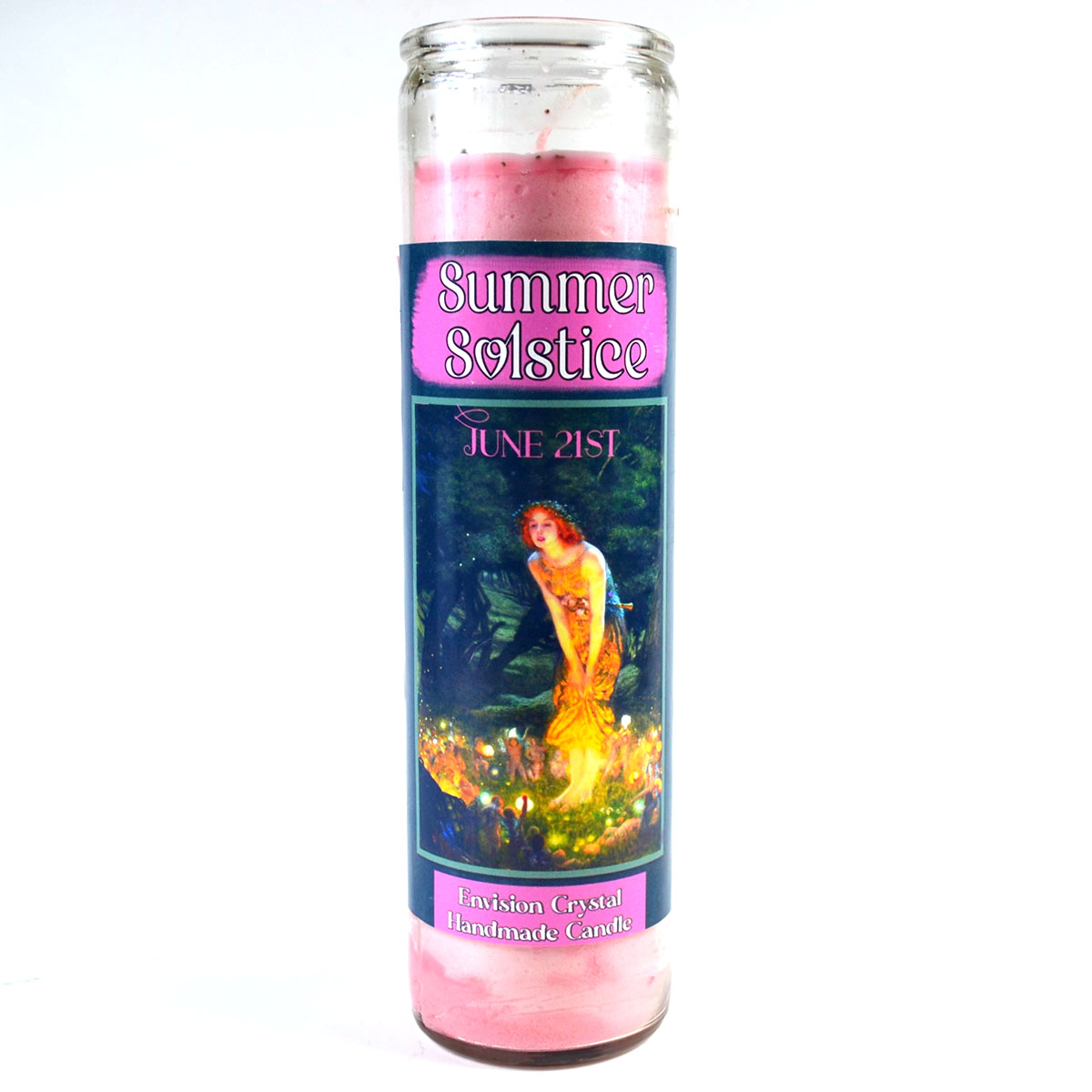
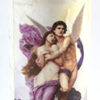
Summer Solstice Aromatic Jar Candle
$21.95
The Sun at Its Height
A handmade scented jar candle with an all-natural scent and herb blend, made to mark the summer solstice when the sun stands at its peak and the longest day is celebrated.
Quick Uses
- Midsummer Altar: Light it at sunrise or noon on the solstice.
- Bless the Year: Burn it while you name what you want to bring to full ripeness.
- Solar Strength: Light it on Sundays through the summer for vitality and confidence.
How to Use It
Witchcraft & Folk Magick
- Light it at sunrise on the solstice and name one thing in your life you want to reach full bloom.
- Burn it beside a bowl of fresh flowers and herbs gathered on Midsummer for blessing the home.
Hoodoo & Rootwork
- Burn it on a petition for success and recognition, with a piece of High John root beside it.
- Use it for a work of strength, with the jar set on a paper naming what you need the courage to face.
Ceremonial & Occult Magick
- Light it in the hour of the Sun on the solstice for a rite of solar invocation.
- Use it to consecrate a solar talisman or a gold ring, passing it through the candle’s light.
Demonology & Black Magick
- Burn it as an offering light to a solar or Luciferian power, the bringer of light, at the height of the year.
- Use it in a rite for personal power and sovereignty, set before your own sigil or a spirit associated with dominion.
A Simple Working
- On the morning of the summer solstice, gather a few fresh flowers or herbs from outside.
- Lay them in a circle around the jar candle on a sunny windowsill.
- Light the candle at sunrise or at noon.
- Say aloud one thing you are proud of from the first half of the year.
- Say aloud one thing you want to ripen by the autumn equinox.
- Let the candle burn while you go about your day nearby, then snuff it at sunset.
- Dry the flowers and keep them on your altar until the autumn equinox.
Pairs Well With
- St John’s Wort: The classic Midsummer herb.
- Sunstone: A stone for solar energy and joy.
- Frankincense Resin: A solar resin for blessing.
- Gold Candles: For solar workings through the season.
What You Receive
One handmade aromatic jar candle with an all-natural specialty scent and herb blend. Candle colour may vary. Burns approximately 3 1/2 days.
Origin & Lore
This candle was made to mark the summer solstice, the longest day of the year in the Northern Hemisphere.
Stonehenge is aligned so that the midsummer sun rises over the Heel Stone when seen from the centre, and the monument still draws crowds on the solstice morning.
In European folk custom, Midsummer and St John’s Eve were marked with bonfires, and herbs gathered that night, especially St John’s wort, were hung in homes for protection. Modern pagans often call the festival Litha.
Did You Know?
St John’s wort takes its name from its association with Midsummer, St John’s Day, when it was traditionally gathered.
Related products