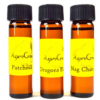
Sweetgrass oil
Price range: $6.55 through $63.75
Holy grass for blessing a space · Available in 3 sizes
Sweetgrass oil carries the soft hay-and-vanilla scent of the northern holy grass, worked for blessing, peace and inviting good spirits in.
Quick Uses
- Blessing: after a cleansing, dress a white candle or an oil burner to invite good influences into the cleared space.
- Peace: put a few drops on a cloth sachet in the living room for a gentle, settled feel.
- Ancestors: anoint a candle or the altar cloth as a sweet offering to the beloved dead.
How to Use It
Witchcraft & Folk Magick
- Blessing: after a cleansing, dress a white candle or an oil burner with sweetgrass to invite good influences into the space that has been cleared.
- Peace at home: a few drops on a cloth sachet in the living room to keep a gentle, settled feel.
- Ancestor altars: anoint a candle or the altar cloth as a sweet offering to the beloved dead.
A Simple Working
- First clear the room by opening the windows and sweeping towards the door.
- Put five drops of sweetgrass oil in an oil burner or a dish of warm water.
- Light a white tealight beside it.
- Walk once around the room clockwise, saying what kind of presence is welcome.
- Sit quietly until the tealight burns out.
- Close the windows to keep the blessing in.
Pairs Well With
- A white tealight: for a gentle blessing flame.
- Frankincense resin: to clear a room before the sweetgrass blessing.
- Tonka bean oil: another coumarin-rich scent for sweet blessings.
- Sea salt: for cleansing before you bless.
What You Receive
Sweetgrass oil in 2 dram, 1 oz and 16 oz (1 lb) sizes.
Origin & Lore
Sweetgrass (Hierochloe odorata, also classed as Anthoxanthum nitens) grows in wet meadows across northern North America, Europe and Asia. Its scent, like fresh hay with a touch of vanilla, comes from coumarin and strengthens as it dries. Many Indigenous peoples of North America braid and burn it as a sacred plant, and in Europe it was strewn and used to scent linen.
In parts of northern Europe, holy grass was strewn before church doors on saints’ days, so that worshippers walked into Mass on its sweet scent.
The old genus name Hierochloe means ‘holy grass’ in Greek, from its use in Christian festivals in northern Europe. Among many Plains, Great Lakes and Northeastern nations, sweetgrass is braided in three strands and burned in prayer and ceremony, and it is treated with deep respect as a sacred medicine of those peoples.
Did You Know?
A blade of the same grass goes into every bottle of Żubrówka, Polish bison grass vodka, which takes its name from the European bison that graze on it.
| Weight | N/A |
|---|---|
| Size | 2 dram, 1 oz, 16 oz |
Related products