



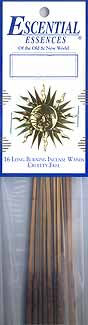
Temptress Incense Sticks (16 Pack)
$6.55
Smoke for Seduction and Desire
A stick incense made for spells of animal attraction, teasing, passion and sensuality, which practitioners burn for seduction work and binding the heart.
Quick Uses
- Seduction: Light a stick in the bedroom an hour before a lover arrives.
- Tease: Burn one while you write a flirtatious message and hold it in the smoke before sending.
- Heart Binding: Burn a stick over a red candle tied with the names of two lovers.
How to Use It
Witchcraft & Folk Magick
- Burn a stick during a dark moon lust spell with a red candle carved with your desire.
- Light one while you anoint the bed linen with a drop of an attraction oil.
Hoodoo & Rootwork
- Smoke a red flannel mojo for passion before you dress it with oil and carry it.
- Burn it while you work a heart binding with a red cord and the couple’s names on paper.
Ceremonial & Occult Magick
- Use it as a Venusian incense in workings centred on desire and sensual attraction.
- Burn it during a glamour working where you take on a seductive persona for the night.
Demonology & Black Magick
- Offer it to a spirit of lust or seduction you work with, as a gift that matches its nature.
- Burn it while you tie a binding knot with a lover’s name, calling a spirit to witness the bond.
A Simple Working
- Write your name and your lover’s name on a small square of paper.
- Cross the names over each other and fold the paper toward you.
- Light a red chime candle and one Temptress stick.
- Wrap the paper with red thread, knotting it three times while stating your desire.
- Pass the bundle through the smoke and set it beneath the candle.
- When the candle burns out, keep the bundle hidden under your mattress.
Pairs Well With
- Red Chime Candle: The traditional colour of passion and lust.
- Red Thread: For tying and binding lovers’ names together.
- Garnet: A deep red stone long kept for passion.
- Venus Rose Incense: Softer romance to balance the heat of this blend.
What You Receive
One pack of 16 Temptress incense sticks, strongly scented and made in the USA.
Origin & Lore
Temptress is a modern blend made for seduction work, and its name speaks for its purpose. Smoke and scent have been used to set an erotic mood since antiquity: the Song of Songs speaks of a bed perfumed with myrrh, aloes and cinnamon.
In folk magick, lust and binding spells often pair red candles, knotted cord and named papers, and a strong incense like this is burned to fill the space with intent.
Did You Know?
The word tempt comes from the Latin temptare, which first meant to feel or to test before it came to mean to entice.
Related products


