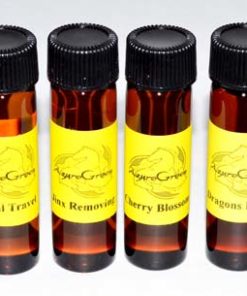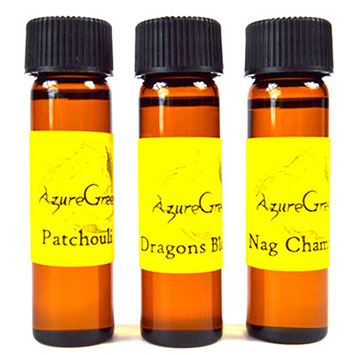
Tonka Bean oil
Price range: $6.55 through $74.75
Hoodoo’s wishing bean · Available in 3 sizes
Tonka bean oil carries the warm almond-and-vanilla scent of the wishing bean, worked for wishes, luck, love, money and courage.
Quick Uses
- Wishing: dress a whole tonka bean or mojo bag, make a wish over it and carry it until the wish comes.
- Luck: anoint your hands before gambling, or dress a lucky hand.
- Love: wear it or dress a red candle to draw affection.
- Courage: rub a drop between the palms before a hard conversation or a court date.
How to Use It
Hoodoo & Rootwork
- Wishing: dress a whole tonka bean or a mojo bag with the oil, make a wish over it and carry it until the wish is granted.
- Luck: anoint the hands before gambling, or dress a lucky hand with tonka.
- Love: wear the oil or dress a red candle with it to draw affection, a traditional use of tonka in love mojos.
Witchcraft & Folk Magick
- Courage: rub a drop between the palms before a hard conversation or a court date.
- Money: dress a green candle with tonka and a pinch of cinnamon for a sweet, steady flow of money.
A Simple Working
- Take a small red flannel bag.
- Put in a whole tonka bean and a pinch of cinnamon.
- Dress the bean with three drops of tonka bean oil and breathe on it.
- Say your wish clearly into the bag.
- Tie the bag closed with three knots.
- Carry it on you and feed it a drop of oil every Friday until the wish is met.
Pairs Well With
- Whole tonka beans: for wishing mojos dressed with the oil.
- A red flannel bag: the classic mojo bag.
- Cinnamon: to warm and speed a luck or money hand.
- Vanilla oil: a sister scent for love and sweetening.
What You Receive
Tonka Bean oil in 2 dram, 1 oz and 16 oz (1 lb) sizes.
Origin & Lore
The tonka bean is the seed of Dipteryx odorata, a large tree of northern South America. Once dried, the wrinkled black seeds smell of vanilla, almond and hay, and they were exported for scenting snuff and tobacco, perfume and confectionery.
Hold a tonka bean, make a wish over it and carry it until the wish comes in: that is the oldest and simplest use of the ‘wishing bean’ in hoodoo.
Rootworkers have long sold tonka under the names tonqua and tonquin bean, and its standing as a wishing bean is one of the best-known charm uses in hoodoo. Cunningham assigns tonka to Venus and Water and lists it for love, money, courage and wishes. The tree’s French Guiana name, coumarou, gave its name to coumarin, the fragrant compound first isolated from tonka beans in 1820.
Did You Know?
The United States has banned tonka beans as a food ingredient since 1954, yet they remain a celebrated flavouring in French and European pastry.
| Weight | N/A |
|---|---|
| Size | 2 dram, 1 oz, 16 oz |
Related products