

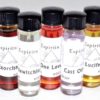

Verbena oil
Price range: $3.25 through $80.25
An oil of vervain lore · Available in 3 sizes
An oil named for verbena, known in magick through vervain, the sacred herb of Roman altars and druid lore, used for protection, purification and beauty.
Quick Uses
- Altar: anoint the altar and tools before ritual as a purifying blessing.
- Baths: add to a bath for beauty, glamour and spiritual cleansing.
- Protection: dress a white candle for protection of the home.
- Consecration: consecrate magickal tools in the style of the old grimoires, which list vervain among the herbs for blessing instruments.
How to Use It
Witchcraft & Folk Magick
- Anoint the altar and tools before ritual as a purifying blessing.
- Add to a bath for beauty, glamour and spiritual cleansing.
- Dress a white candle for protection of the home.
Hoodoo & Rootwork
- Add to floor washes for cleansing and protection, in the same way vervain is used.
- Anoint love and attraction mojo bags.
Ceremonial & Occult Magick
- Consecrate magickal tools in the style of the old grimoires, which list vervain among the herbs for blessing instruments.
- Dress candles for workings of Venus.
A Simple Working
- Take a white chime candle and a bowl of fresh water.
- Add a few drops of Verbena oil to the water and stir it clockwise.
- Wipe down your altar and tools with a clean cloth dipped in the water.
- Dress the candle with the oil from base to wick.
- Light it and ask for your space and tools to be made clean and blessed.
- Let the candle burn out and pour the remaining water outside.
Pairs Well With
- Hyssop, the biblical herb of purification.
- Rose, for beauty and love.
- White candles, for cleansing and blessing.
- Rue, an old companion of vervain in protective charms.
- Clear quartz, for amplifying a blessing.
What You Receive
Verbena oil, available in 2 dram, 1 oz and 16 oz bottles.
Origin & Lore
Verbena oil takes its name from the verbena family, whose most famous member in magick is vervain, Verbena officinalis. The Romans called it herba sacra and swept their altars with it, and in Christian legend it was said to have staunched Christ’s wounds on Calvary, earning it the name Herb of Grace.
Pliny the Elder wrote that the druids gathered vervain at the rising of the Dog Star, when neither sun nor moon could see them, and left honey in the earth as payment.
Vervain appears in Roman religion, in Pliny’s account of the druids and in many later grimoires, including the Key of Solomon, where it is among the herbs used to purify the operator’s instruments. Charmers in Europe recited verses while picking it, such as “Hallowed be thou, Vervain, as thou growest in the ground”.
Did You Know?
Roman envoys called fetiales carried vervain as a sacred sign when they went to declare war or make treaties.
| Weight | N/A |
|---|---|
| Size | 2 dram, 1 oz, 16 oz |
Related products