
Yellow Sandalwood powder (Santalum)
Price range: $7.65 through $83.55
The classic base of ritual incense · Available in 3 sizes
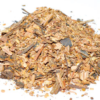
Creamy yellow sandalwood powder, the classic base of temple and ritual incense, used for consecration, protection and wishes.
Quick Uses
- Incense base: use it as a slow, even-burning foundation for loose incense on charcoal.
- Wish burning: write a wish on paper, sprinkle it with sandalwood, fold it and burn it.
- Consecration: burn it to smoke tools, cords and jewellery before their first use.
- Lunar work: burn it during workings timed to the phase of the Moon.
How to Use It
Witchcraft & Folk Magick
- Incense base: the powder smoulders evenly on charcoal and carries other herbs, making it a reliable foundation for loose incense.
- Wish burning: write a wish on paper, sprinkle it with sandalwood powder, fold it and burn it.
- Consecration: burn it to smoke tools, cords and jewellery before their first use.
Hoodoo & Rootwork
- Incense powders: sandalwood is a common base for powdered incense, mixed with herbs and oils for protection, blessing or cleansing.
- Sachet powders: blended with talc to dust on the body or over a petition for spiritual protection.
Ceremonial & Occult Magick
- Ritual fumigation: sandalwood is a long-standing ingredient in ceremonial incense, used to prepare the space before an operation.
- Lunar work: under its Moon rulership it is burned during workings timed to the lunar phase.
A Simple Working
- Light a charcoal disc in a heatproof dish filled with sand.
- Mix a teaspoon of sandalwood powder with a pinch of frankincense.
- Pass the item you want to consecrate through the rising smoke.
- State plainly what it is for and whose it is.
- Repeat with each side of the item.
- Wrap it in clean cloth until you use it.
Pairs Well With
- Frankincense, the classic partner for consecration incense.
- Myrrh, for a deeper, older-smelling blend.
- Rose petals, to turn a sandalwood base toward love.
- Charcoal discs, for burning loose powder.
What You Receive
Yellow sandalwood, fine powder, available in 1 oz, 2 oz and 1 lb.
Origin & Lore
True sandalwood comes from trees of the genus Santalum, most famously Santalum album of India. The fragrant heartwood was ground for incense, pressed for oil and carved into boxes, beads and images. In Hindu and Buddhist practice its paste, chandan, is applied to the forehead and offered in worship.
Sandalwood keeps its scent for decades. Old carved boxes and fans still smell of it long after the people who made them are gone.
Sandalwood has been traded out of India for well over two thousand years. Around Mysore in southern India, the trees were long treated as royal property, and the region’s wood and oil became famous worldwide.
Did You Know?
Sandalwood is a root parasite: young trees attach their roots to those of neighbouring plants and draw water and nutrients from them.
| Weight | N/A |
|---|---|
| Size | 1 oz, 2 oz, 1 lb |
Related products


All Herbs