


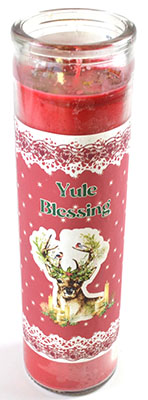

Yule Blessing scented jar candle
$21.95
A mistletoe candle for the solstice
A ritual jar candle topped with mistletoe, burned at the winter solstice to bless the home and welcome the returning sun.
Quick Uses
- Solstice vigil: light it at sunset on the longest night and keep it burning in shifts until sunrise.
- Home blessing: carry the lit jar through each room on Yule night, blessing those who live there.
- Luck: set a written wish for the coming year under the jar for the twelve days of Yule.
- Solar rite: burn it at the centre of a circle at solstice dawn to greet the sun.
How to Use It
Witchcraft & Folk Magick
- Solstice vigil: light the candle at sunset on the longest night and keep it burning in shifts until sunrise.
- Home blessing: carry the lit jar through each room on Yule night, saying a short blessing on those who live there.
- Luck for the year: write a wish for the coming year on paper and set it under the jar for the twelve days of Yule.
Ceremonial & Occult Magick
- Solar rite: burn it at the centre of a circle at the solstice dawn to greet the returning sun.
A Simple Working
- At sunset on the winter solstice, switch off the lights in the house.
- Light the candle and sit for a moment in the single flame.
- Name one thing you are letting go of with the old year.
- Light the other candles in the room from the Yule candle, one by one.
- Say a blessing for the house and everyone in it for the year ahead.
- Keep the candle burning into the evening and save a little of the mistletoe for next year.
Pairs Well With
- A Yule log: the traditional fire of the solstice.
- Pine or fir branches: for the evergreen altar.
- Cinnamon sticks: warm solar spice for the season.
- A gold chime candle: for a short solar burn on Yule morning.
What You Receive
One Yule Blessing ritual jar candle topped with mistletoe; colours vary from candle to candle; burns approximately 3 1/2 days.
Origin & Lore
Yule is the winter solstice festival, rooted in the Germanic midwinter feast of jól and kept in modern paganism as the night the sun is reborn. Candles and fires are the heart of it, lit on the longest night to call back the light, and mistletoe, green and berried in the dead of winter, has long been hung for luck and blessing.
Pliny the Elder wrote that the druids cut mistletoe from the oak with a golden sickle, catching it in a white cloth so it never touched the ground.
Pliny describes the druids gathering mistletoe from oaks on the sixth day of the moon and sacrificing two white bulls beneath the tree. In Norse myth, as told in Snorri Sturluson’s Prose Edda, the god Baldr was killed by a dart of mistletoe, the one plant that had not sworn not to harm him. Kissing under the mistletoe was an established English Christmas custom by the 18th century.
Did You Know?
Mistletoe is a hemiparasite: its leaves make their own food by photosynthesis, but it draws water and minerals from the tree it grows on.
| Weight | 1.2 lbs |
|---|
Related products


