


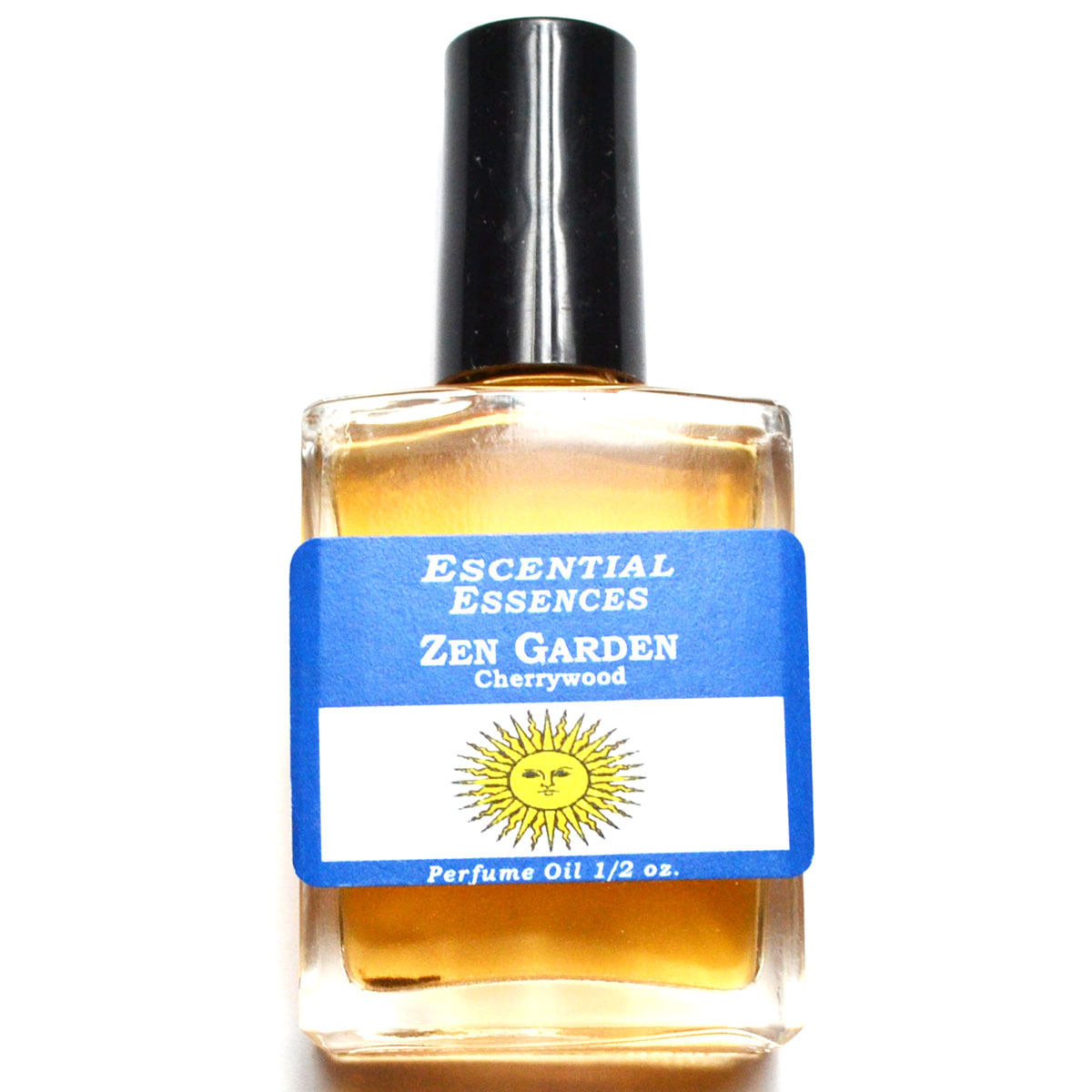

Zen Garden essences oil
$12.04
A cherrywood oil for reflection
A cherrywood-scented oil named for Zen rock gardens, used to anoint the body, candles and beads before quiet, contemplative work.
Quick Uses
- Meditation: anoint the wrists and throat before meditation, journaling or tarot reflection as a cue for settling.
- Contemplation: dress a white or pale blue candle and let it burn through a session of contemplation.
- Grounding: touch a drop to meditation beads, a worry stone or a river pebble you keep for grounding.
- Pathworking: dab the brow before pathworking or a guided visualisation to mark that ordinary time has ended.
How to Use It
Witchcraft & Folk Magick
- Anoint the wrists and the hollow of the throat before meditation, journaling or a tarot reflection, so the scent becomes a cue for settling.
- Dress a white or pale blue candle and let it burn through a session of contemplation or a quiet evening at the altar.
- Touch a drop to meditation beads, a worry stone or a smooth river pebble you keep for grounding.
Ceremonial & Occult Magick
- Dab the brow before pathworking or a guided visualisation as a simple marker that ordinary time has ended.
- Anoint the cover of a magickal diary or dream journal, keeping one scent tied to the habit of honest record-keeping.
A Simple Working
- Choose a quiet hour and set out a white tealight and a notebook.
- Breathe slowly for a minute, then anoint both wrists with a drop of Zen Garden oil.
- Dress the tealight lightly from the middle outward and light it.
- Write one question about where you are growing, and one about what you are ready to set down.
- Sit with the flame and the scent for ten to fifteen minutes without trying to answer.
- Write whatever comes, close the notebook, and let the tealight burn out on its own.
- Repeat on the same day each week to build the scent into a habit of reflection.
Pairs Well With
- Lavender buds, a classic herb of calm to scatter around a meditation candle.
- Amethyst, long kept as a stone of sobriety and a clear head.
- Sandalwood incense, a traditional temple scent that sits well beside cherrywood.
- Clear quartz, a simple focus stone for the altar during contemplation.
- White chime candles, short burns that suit a single sitting.
What You Receive
Zen Garden essences oil, a cherrywood scent blended with cosmetic-grade skin-safe oils, in a 1/2 oz bottle.
Origin & Lore
This is a scent oil named for the karesansui, the dry landscape gardens of Japanese Zen temples, where raked gravel stands in for water and stones for mountains and islands. Its note is cherrywood, and it is blended for serenity, personal growth, meditation and reflection: an oil for the quiet side of practice rather than for spellwork with a target.
A Zen garden is little more than raked gravel and a few placed stones, made to be looked at until the mind goes still.
The most famous karesansui is at Ryoan-ji in Kyoto, laid out in the late fifteenth century: fifteen stones set in raked white gravel, with no plant taller than moss. Monks rake the gravel as a discipline in its own right, and the garden was made to be contemplated from a veranda rather than walked through.
Cherry carries its own weight in Japan, where the brief flowering of the sakura became an emblem of impermanence, a theme that sits naturally alongside Zen practice.
Did You Know?
At Ryoan-ji, the fifteen stones are placed so that from any single seat on the viewing veranda at least one is always hidden from view.
| Weight | 0.16 lbs |
|---|
Related products


