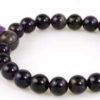

Amethyst Rune Set (25 Pieces)
$27.45
The runes in violet stone
Twenty-five polished amethyst stones carved with the Elder Futhark runes in gold-painted lettering, in a pouch, for divination and rune magick.
Quick uses
- Divination: cast runes to read a situation.
- Psychic work: amethyst supports the inner sight.
- Astral work: hold a rune during journeying.
In stock
How to Use It
Witchcraft & Folk Magick
- Runes cut in amethyst blend the rune’s meaning with the stone’s long association with intuition, calm and spiritual awareness.
- Draw one each morning for guidance, or cast nine onto a cloth for a broader reading.
Ceremonial & Occult Magick
- Lay each aett out in turn for meditation, studying one rune per day until all are learned.
- Use individual stones as talismans, carrying a chosen rune charged for a particular aim.
Hoodoo & Rootwork
- Drop a single rune into a mojo bag for an extra layer: Fehu for wealth, Algiz for protection, Gebo for partnership.
Demonology & Black Magick
- Practitioners draw runes during evocation to receive a spirit’s answer, and use staves such as Thurisaz and Nauthiz in baneful and binding work.
- The blank stone stands for the unknowable, often read as a spirit declining to answer.
A Simple Working
- Cleanse the stones in incense smoke or moonlight.
- Hold the pouch and ask your question once, clearly.
- Draw three stones without looking.
- Lay them out and read root, present force and outcome.
- Record the reading and return the stones to the pouch.
Pairs Well With
- Divination cloth: to cast upon.
- Purple candle: for psychic work.
- Mugwort: burned before reading.
- Rune guide: for study of each stave.
- Bone rune set: for a second set kept for shadow work.
What You Receive
One amethyst rune set of 25 polished stones carved with the Elder Futhark runes and gold-painted lettering, each about 1/2″ to 1″, from India, with a pouch. Pouch colour may vary.
Origin & Lore
The Elder Futhark of 24 runes was used by Germanic peoples from about the 2nd century and later became the basis of modern rune reading.
Amethyst has been carried as an amulet since antiquity.
Did You Know?
The name amethyst comes from the ancient Greek amethystos, meaning “not intoxicated”, because the stone was believed to guard against drunkenness.
| Weight | 0.60 lbs |
|---|
You may also like…


Related products