


Basil oil
Price range: $6.55 through $63.75
A hoodoo favourite for shop luck · Available in 2 sizes
Basil oil carries the sweet, peppery scent of the kitchen herb, best known in the craft for drawing customers and money, sweetening love and protecting the home.
Quick Uses
- Shop luck: add a few drops to a bucket of water and wash a business doorway and floor to draw customers in.
- Money: anoint a green candle or the corners of bills in your wallet on a Thursday.
- Love: put a drop on a pink candle or a love letter to keep affection faithful and warm.
- Protection: anoint windowsills and the front door to keep out hostility.
How to Use It
Hoodoo & Rootwork
- Shop luck: add a few drops to a bucket of water and wash the doorway and floor of a business to draw customers and money through the door.
- Money dressing: anoint a green candle or the corners of bills in your wallet with basil oil on a Thursday.
- Peace in the house: sprinkle basil water through the rooms to calm arguments and sweeten the household.
Witchcraft & Folk Magick
- Love: a drop on a pink candle or on a love letter is used to keep affection faithful and warm.
- Protection: anoint the windowsills and front door to keep out ill will.
- Cleansing: add to a ritual bath with salt to clear a heavy atmosphere before new work.
A Simple Working
- On a Thursday morning, fill a bucket with warm water.
- Add nine drops of basil oil and a spoonful of sugar.
- Wash the front step or doorway of your home or business, working from the outside in.
- As you wash, say, “Money come in, customers come in, luck come in.”
- Light a green chime candle dressed with basil oil just inside the door.
- Pour the leftover water at the foot of the front door or on a nearby plant.
Pairs Well With
- A green chime candle: for money drawing.
- Cinnamon: to speed money and business luck.
- Sugar: to sweeten floor washes and love work.
- Bay leaves: for writing money wishes.
What You Receive
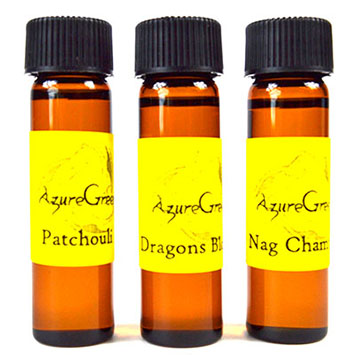
Basil oil, a scented anointing oil, available in 2 dram and 16 oz.
Origin & Lore
Sweet basil (Ocimum basilicum) has been grown around the Mediterranean, India and the Middle East for thousands of years as a culinary herb. Its name comes from Greek for “royal”, and it has long been grown in pots on doorsteps and windowsills, where folk belief made it a plant of love and of the household.
In Boccaccio’s Decameron, Lisabetta buries her murdered lover’s head in a pot of basil and waters it with her tears until the plant grows lush and fragrant.
Greek Orthodox tradition holds that basil grew over the place where St Helena found the True Cross, and priests still use sprigs of basil to sprinkle holy water. Keats retold Boccaccio’s story in his poem “Isabella, or the Pot of Basil”.
Did You Know?
Holy basil, or tulsi, sacred to Vishnu in Hinduism, is a different species (Ocimum tenuiflorum) from the sweet basil used in cooking.
| Weight | N/A |
|---|---|
| Size | 2 dram, 16 oz |
Related products


