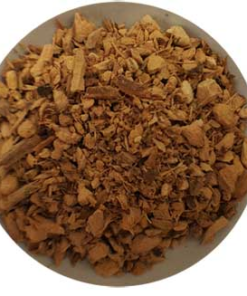
Deer’s Tongue
Price range: $18.64 through $236.44
The speaking herb of hoodoo · Available in 3 sizes
Sweet, vanilla-scented leaves counted among hoodoo’s speaking herbs, for when the right words must come out, before a judge or in a proposal.
Quick Uses
- Court: carry a leaf in your pocket or crumble it over a petition for persuasive speech before a judge or jury.
- Interviews: carry a leaf to an interview so your words come out clear and convincing.
- Proposal: add it to love mixtures meant to make a hesitant partner speak up and commit.
- Speaking sachet: crumble it with other speaking herbs into a flannel bag and carry it to the meeting where your words count.
How to Use It
Hoodoo & Rootwork
- Court and speaking work: a leaf is carried in the pocket, or crumbled over a written petition, for eloquence and persuasive speech before a judge, jury or interviewer.
- Proposal work: rootworkers add it to love mixtures meant to make a hesitant partner speak up and commit.
- Sachet work: crumbled with other speaking herbs and carried in a small flannel bag to the meeting where your words count.
A Simple Working
- On a small square of paper, write the name of the person you must persuade and what you need them to hear.
- Lay a deer’s tongue leaf across the writing.
- Add a bay leaf and a pinch of cinnamon.
- Fold the paper toward you three times, wrapping the leaves inside.
- Hold the packet to your lips and say your words aloud over it, exactly as you mean to say them.
- Carry it in your pocket to the meeting or hearing.
Pairs Well With
- Calamus root, the other great hoodoo herb for commanding speech.
- Galangal root (Little John to Chew) for court cases.
- Bay leaf as a surface for a written petition.
- Cinnamon to warm and speed the working.
What You Receive
Dried deer’s tongue leaf, available in 1 oz, 2 oz and 1 lb.
Origin & Lore
Deer’s tongue is the leaf of a wild plant of the south-eastern United States, sold in the herb trade as Liatris or Carphephorus odoratissimus. Its everyday use was as a flavouring and scent: dried leaves were gathered wild, blended into smoking tobacco and laid among stored linens.
Crush a dry leaf between your fingers and it smells of vanilla and new hay, a scent that once flavoured pipe tobacco across the American South.
The leaf was collected from the pine flatwoods of the Carolinas, Georgia and Florida for the tobacco trade. In African American hoodoo it settled into the family of speaking herbs, a natural fit for a plant whose very name is a tongue.
Did You Know?
Its vanilla scent comes from coumarin, the same fragrant compound found in tonka beans and sweet woodruff.
| Weight | N/A |
|---|---|
| Size | 1 oz, 2 oz, 1 lb |
Related products