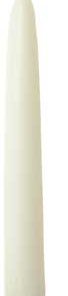
Protection Lailokens Awen Candle (4 1/4″)
$10.95
A Celtic spell candle for physical, emotional and psychic protection
A 4 1/4″ prepared spell candle made in Canada for protection on every level, physical, emotional and psychic.
Quick uses
- Protection: burn to shield yourself, your home or a loved one.
- Psychic defence: light when you feel watched, drained or attacked.
- Ritual guard: keep it burning during risky magickal work.
In stock (can be backordered)
How to Use It
Witchcraft & Folk Magick
- Light the candle on a Tuesday or Saturday to build a shield around yourself.
- Set a photo or name paper beneath it to extend protection to another person.
- Ring it with salt to strengthen the boundary.
Celtic & Druidic Practice
- In Celtic lore the caim, or encircling prayer, was drawn around a person for protection; trace a circle around the candle as you speak.
- Burn it before trance and prophetic work, when the spirit is most open.
Ceremonial & Occult Magick
- Use it as a guardian light at the edge of the circle during long rites.
- Combine it with a protective pentacle or lamen worn on the chest.
Demonology & Black Magick
- Burn it within the circle during evocation as a sign that the operator is protected.
- Light it when you suspect a curse or hostile spirit has been sent against you.
- Keep it burning after a spirit is dismissed, to guard against anything that lingers.
- Use it beside a mirror to send hostile work back toward its source.
A Simple Working
- Sprinkle a ring of salt on a heatproof plate.
- Set the candle in the centre and light it.
- Walk your finger around the ring three times, speaking your words of protection.
- Picture a sphere of light surrounding you or the person you protect.
- Let the candle burn while you are present, then keep the salt by your door.
Pairs Well With
- Black salt: to lay the boundary.
- Protection amulet: to wear after the working.
- Protection oil: to anoint the candle and doors.
- Rue or angelica: classic protective herbs.
- Purification Lailokens Awen candle: to cleanse before you shield.
What You Receive
One 4 1/4″ Protection Lailokens Awen candle, made in Canada.
Origin & Lore
The name joins Lailoken, the prophet of the Scottish woods, with Awen, the Welsh spirit of inspiration.
Protective candles burned in a window or at the hearth are part of folk magick across Britain and Ireland.
Did You Know?
The Awen symbol of three rays and three dots, now common in modern Druidry, was popularised by the Welsh antiquarian Iolo Morganwg in the late 18th century.
| Weight | 0.20 lbs |
|---|
Related products