




Red Ginger Incense Sticks (16 Pack)
$6.55
Spicy Fire for Good Fortune
A red ginger stick incense blended for good fortune and inner strength, burned when practitioners want warmth, push and a lucky turn.
Quick Uses
- Lucky Day: Light a stick in the morning before an interview, a sale or a bet.
- Back Bone: Burn one before a hard conversation and breathe in its heat to steady your nerve.
- Money Altar: Burn a stick weekly over a green candle and your petition for income.
How to Use It
Witchcraft & Folk Magick
- Burn it while you dress a green candle with cinnamon and a pinch of ground ginger for a quick money spell.
- Light one on a Sunday and pass your wallet through the smoke to ask for good fortune in the week ahead.
Hoodoo & Rootwork
- Smoke your gambling hand, a mojo bag for luck, before you carry it to the game.
- Burn a stick over a fast luck petition when you need things to move quickly.
Ceremonial & Occult Magick
- Use it as a Martial incense on a Tuesday to strengthen a working for courage and drive.
- Burn it during solar workings for success, its warm spice suits the fire of the Sun.
Demonology & Black Magick
- Offer it to a spirit you work with for wealth or victory, as a hot, vigorous scent that suits fiery entities.
A Simple Working
- Take a coin you have earned and hold it in your writing hand.
- Light a red chime candle and one Red Ginger stick from its flame.
- Pass the coin through the smoke clockwise seven times.
- Say what you want luck for, plainly and specifically.
- Set the coin at the foot of the candle until both have burned down.
- Carry the coin in your left pocket as a lucky piece.
Pairs Well With
- Pyrite: A traditional stone for money drawing and confidence.
- Cinnamon Sticks: Add a matching warm spice to luck and money tricks.
- Red Chime Candle: Fire colour for drive and fast results.
- Lucky Hand Mojo Bag: Smoke it in this incense before carrying it.
What You Receive
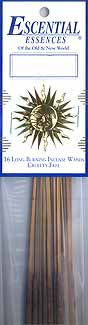
One pack of 16 Red Ginger incense sticks, strongly scented and made in the USA.
Origin & Lore
Red ginger, Alpinia purpurata, is a tropical plant of the ginger family native to Malesia and the western Pacific, grown widely in Hawaii and the Caribbean for its tall, flame-red flower spikes. Ginger plants in general are long associated with heat, vigour and speed in folk magick, which is why ginger is a common addition to fast luck and money work.
This incense is a modern scent blend inspired by the plant, made for good fortune and strength.
Did You Know?
The bright red parts of red ginger are not petals but bracts; the true flowers are small and white, peeking out between them.
Related products


