



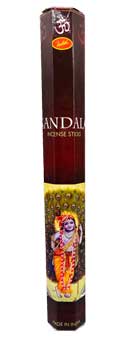
Sandalwood Incense Sticks (20g)
$2.75
Sweet, Gentle Temple Sandalwood
A box of sandalwood incense sticks with a sweet, gentle fragrance, the classic all-purpose temple wood that practitioners burn for blessing, prayer and spirit offerings.
Quick Uses
- Daily Offering: Burn a stick at your shrine each morning as a simple act of devotion.
- Ancestor Visit: Light one at the ancestor altar when you sit to speak with your dead.
- Wish Stick: Whisper a wish into an unlit stick, then burn it and let the smoke carry it.
How to Use It
Witchcraft & Folk Magick
- Burn a stick when you write a wish on paper, then fold the paper and keep it on your altar.
- Light one as a universal offering to deities whose preferences you do not yet know.
Hoodoo & Rootwork
- Burn it at the ancestor altar beside a white candle and fresh water.
- Smoke a prayer cloth or handkerchief before using it in blessing work.
Ceremonial & Occult Magick
- Use it as a lunar or general temple incense when no specific planetary scent is called for.
- Burn it during meditation and scrying to keep the mind still and receptive.
Demonology & Black Magick
- Offer a stick to a spirit as a respectful, broadly welcome gift at the opening of contact.
- Burn it to sweeten the space after a working with a harsh or demanding spirit.
A Simple Working
- Clear a small surface and set out a white tealight, a glass of water and a photo or name of an ancestor.
- Light the tealight, then a sandalwood stick from its flame.
- Greet the ancestor by name and thank them for something specific.
- Ask for one piece of guidance and sit quietly for a few minutes.
- Leave the stick to burn down as your gift.
- Pour the water outside at the base of a tree the next day.
Pairs Well With
- White Tealights: For a plain, respectful ancestor setting.
- Moonstone: A lunar stone kept for intuition and scrying.
- Rosemary Incense: For remembrance alongside ancestor offerings.
- Sandalwood Powder: To dress candles or add to loose incense blends.
What You Receive
One 20 gram box of sandalwood incense sticks with a sweet, gentle fragrance.
Origin & Lore
Sandalwood, from the heartwood of trees in the genus Santalum, especially Indian Santalum album, has been used in worship across India, Southeast Asia and East Asia for centuries. Its smoke and paste are offered in Hindu, Buddhist and Jain practice, and it remains one of the most widely used temple incense woods in the world.
In Western occult correspondences sandalwood is often treated as an all-purpose offering scent, suited to blessing, protection and spirit work when no other scent is specified.
Did You Know?
Sandalwood paste, called chandan, is traditionally applied to the forehead as a tilak mark in Hindu worship.
Related products


