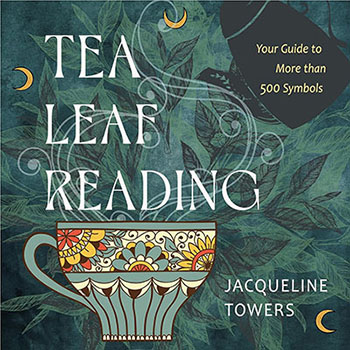
Tea Leaf Reading by Jacqueline Towers (Hardcover)
$18.65
Read The Leaves In Your Cup
A friendly beginner’s guide to tasseomancy, reading the shapes tea leaves leave in a cup once the tea is drunk.
Quick Uses
- Morning Reading: Brew loose tea, drink it, and read what is left with the book beside you.
- Symbol Lookup: Use the book to look up each shape you see.
- Reading For Friends: Have a friend hold and drink from the cup, then read it for them.
How to Use It
Witchcraft & Folk Magick
- Read the leaves at each new moon and keep a log of the shapes you see.
- Brew a dream herb like mugwort with black tea for an evening reading.
Hoodoo & Rootwork
- Read the cup after drinking a tea brewed for luck or money and note what turns up.
- Pour the spent leaves at your front door to finish a reading for the home.
Demonology & Black Magick
- Read the cup of someone who suspects they are crossed, looking for warning shapes.
- Pour a cup for an ancestor or spirit, let it sit overnight, then read what has settled.
A Simple Working
- Brew a pinch of loose black tea in a wide, plain cup.
- Hold the cup and think of your question while you drink.
- Leave a little liquid at the bottom.
- Swirl the cup three times and turn it over on a saucer.
- Turn it back and look for shapes.
- Look up each shape in the book and write the reading down.
Pairs Well With
- Loose Black Tea: Leaves large enough to form clear shapes.
- Plain White Teacup: So the leaves show clearly.
- Mugwort: A traditional herb for divination.
- Divination Journal: To keep track of shapes and outcomes.
What You Receive
One copy of Tea Leaf Reading by Jacqueline Towers. 6″ x 6″ with 176 pages.
Origin & Lore
This book covers the basics of tasseomancy for the beginner. It explains how the shapes in a drained cup are read, why the questioner holds and drinks from the cup, and how to start reading with nothing more than loose tea and hot water.
Tea leaf reading became popular in Europe after tea itself arrived in the 17th century, and it was a common parlour and fairground practice in Victorian Britain. Readers looked for shapes like anchors, birds, rings and letters and read their placement near or far from the handle.
Did You Know?
Tasseomancy comes from the French tasse, a cup, and the Greek manteia, divination.
Related products